
Drama
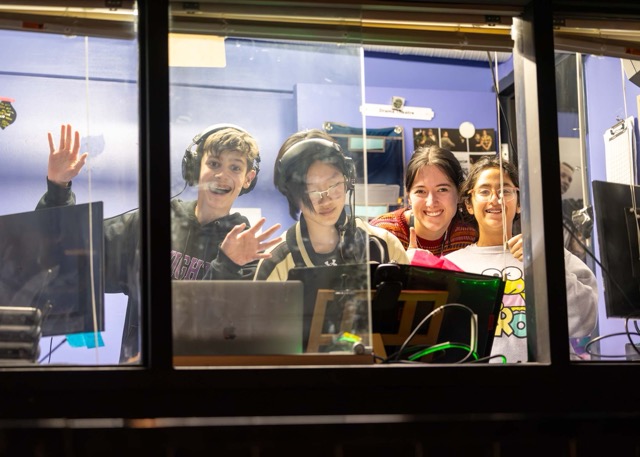
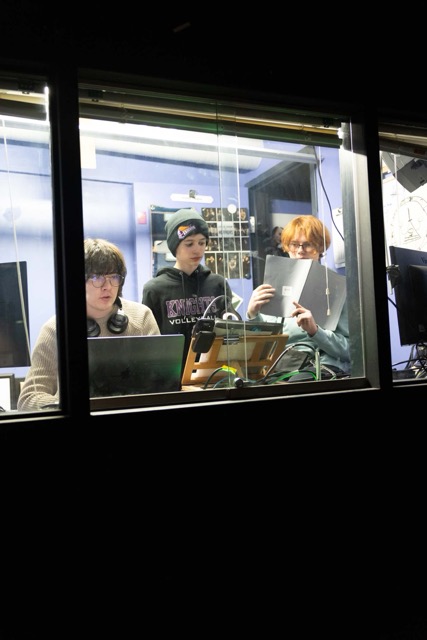
Drama is a way for students to express themselves on the stage or from the AV booth. This K–12 program teaches learners the ins and outs of theatre productions.

Course Overview
The drama program offers a progressive, experiential journey through creative expression, collaboration, and performance. Across all grade levels, drama is taught as an ensemble-based art form that values creativity, risk-taking, and shared responsibility. Students engage as creators, performers, and collaborators, learning to communicate ideas through voice, movement, character, and storytelling.
As learners progress, learning becomes increasingly student-centred, with greater agency in choice of material, creative direction, and leadership roles. Senior School students may specialize in acting or technical theatre.
Learning by Grade Level
Grades K–3
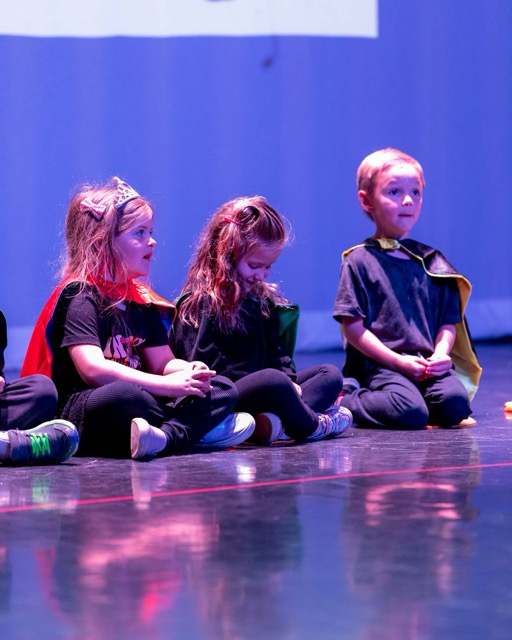
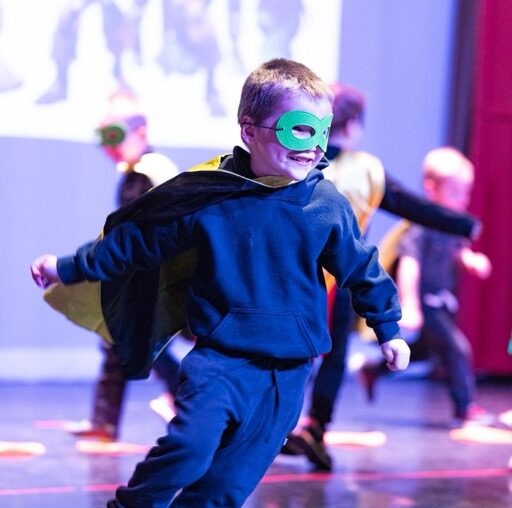
The K–3 drama program introduces students to the fundamentals of drama and music through play, movement, and imagination. Students explore acting, voice, movement, and early character development through skill-building games and creative exploration.
The semester concludes with a shared presentation featuring simple song and dance pieces that celebrate collaboration and growth.
Grades 4–6
In Grades 4–6, students build foundational drama skills through in-class plays and performances for school celebrations. Emphasis is placed on acting, voice, movement, and ensemble work. Students explore drama as creators, performers, historians, and critics while developing confidence, communication skills, and leadership through shared performance experiences.
Grades 7–9
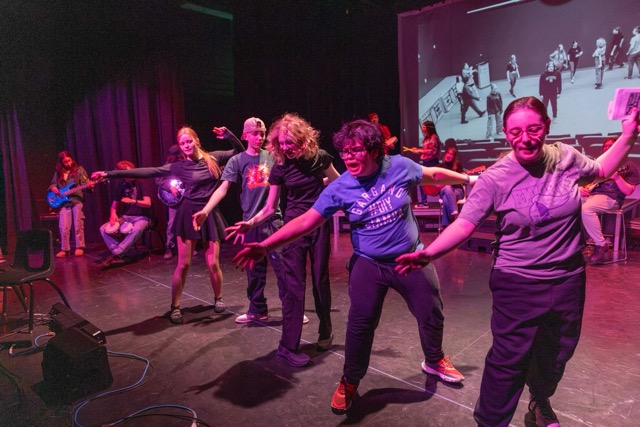
Grades 7–9 drama focuses on scene work, character development, and ensemble collaboration. Students strengthen skills in voice, movement, and stage presence through scripted scenes and devised work. Students are introduced to stage combat with a strong emphasis on safety and consent, and engage in creative projects such as movie trailers and stop-motion animation.
Technical Theatre 9
Technical theatre 9 is a non-performance course that introduces students to the technical side of theatre. Students explore and apply design and production skills in areas such as lighting, sound, costumes, makeup, set construction, marketing, producing, and stage management. Through hands-on learning and work supporting drama productions, students gain practical experience and may have opportunities to join the running crew for school shows.
Grades 10–12
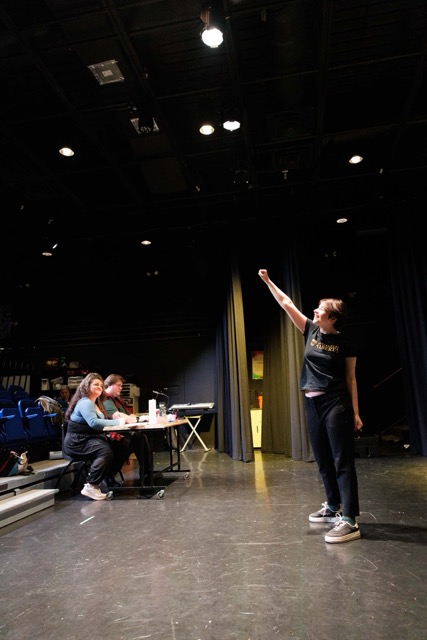
Grade 10 drama introduces students to the Senior School drama program through a wide range of dramatic forms, including movement, speech, improvisation, and scripted performance. A central focus of the course is the creation and performance of a Theatre for Young Audiences production, guiding students through the full creative process from concept to performance.
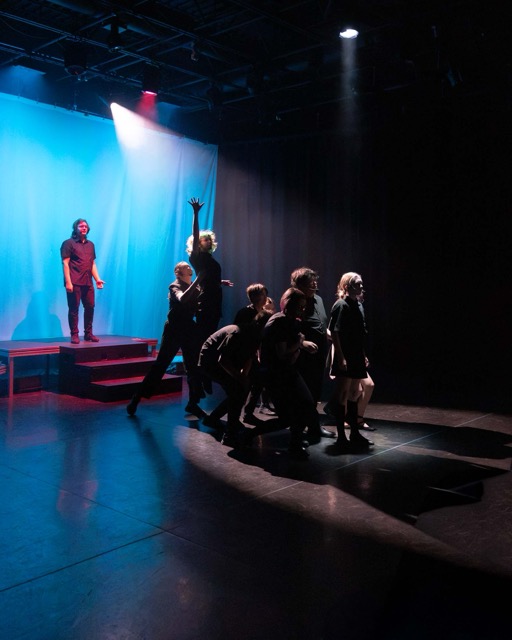
In Grades 11–12, students engage in advanced performance, collaboration, and leadership opportunities. With an emphasis on voice and choice, students help shape their learning through devised and scripted work. Students participate in STAR Fest, a provincial theatre festival, gaining performance experience, adjudicated feedback, and opportunities to direct and collaborate.
Advanced Acting (15, 25, and 35)
When students develop an appreciation for theatre and acting, advanced acting is the course for them. This course develops acting skills through the production of a full-length play, with a focus on script work and scene study, physical and vocal acting techniques, and theatrical production skills. Students in advanced acting get practical experience in a studio/workshop setting.
Previous CA full-length play productions include The Adams Family, The Little Mermaid, and Little Shop of Horrors.
Technical Theatre (15, 25, and 35)
Technical theatre 15, 25, and 35 is a non-performance course, which gives the students a chance to explore the technical side of theatre. Students work both in class and outside the timetable on drama productions and eventually become the running crew. Students learn to apply design and production principles to all departments of a production.
This course consists of time outside the student timetable and involves a student’s time commitment to the Junior and Senior School productions.
Integrated Studies Blog
Explore stories, classroom highlights and learning experiences related to this program and Integrated Studies at Calgary Academy.