CA’s Summer School Begins July 2

When June arrives, many families are thinking about summer vacation. It’s a time to relax and take a break from a year of learning. However, it can also be the time to get ahead of the next school year.
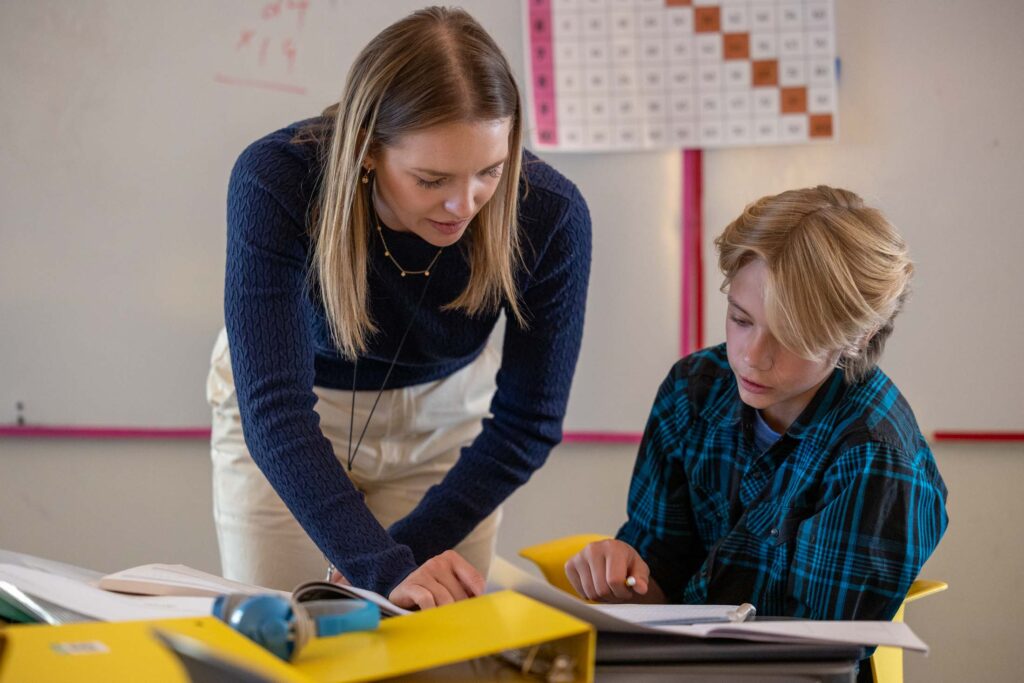
Calgary Academy’s Summer School program offers high school students an excellent opportunity to advance in their courses for next year. With small class sizes and a condensed semester, this program helps students focus on their studies to get ahead.
Summer School Need-to-Know Info
Calgary Academy’s Summer School runs from July 2 to July 25, 2025, with classes held from 8:30 a.m. to 1:30 p.m. For our offered courses, final exams occur from Aug. 5 to 12.
Each student can enroll in one course, provided they have completed or are currently completing the prerequisite. Class ratios are kept small, averaging between 10 and 16 students, similar to the average size at CA.
Course Offerings
Summer School offers a variety of courses, taught by the following Calgary Academy teachers:
- Social studies 30-1: Mr. Grossi
- Biology 30: Mr. Noel
- Chemistry 30 (available online or in-person): Ms. Petersen
- English 30-1: Ms. Bresciani
- Math 20-1: Ms. Deschamps
- Math 20-2: Ms. Rudin
- Math 30-1: Ms. Cho
Why Choose Calgary Academy’s Summer School?
For students like Karah P., Summer School benefited her studies.
A Grade 12 student and previous Summer School attendee, Karah credits the short program period for helping her focus. With approximately four weeks of classes, she completed her studies, took her diploma in August, and entered her senior year with a lighter course load.
“The most valuable part of Summer School for me was that I was able to focus entirely on the subject I was learning, and, because I learned it over such a short period of time, I didn’t have the chance to forget anything before my diploma.” – Karah
There are many other reasons Summer School can benefit your child, including:
- Focused learning: With small class sizes, students receive individualized attention, helping them receive the unique support they need in their classes.
Qualified instructors: Courses are taught by Calgary Academy’s experienced teachers who are committed to student success. - Shorter instructional days: Classes run from 8:30 a.m. to 1:30 p.m., allowing students to enjoy their summer while completing their studies.
- Preparation for the future: Completing summer courses can help students lighten their load during the regular school year, allowing them to focus on extracurriculars.
Register for Summer School Today!
Calgary Academy is excited to offer Summer School again for interested students to earn credits, strengthen their understanding, and get a head start on the school year.
Current CA students can register through Rycor, while non-CA students can register through our Summer School website.
There are limited spots available, so make sure to save your spot early! Summer School classes will only proceed if there is sufficient interest, with a minimum of nine students required. Register by June 20 to attend this year’s program!
Please contact us with any questions regarding this year’s Summer School.
Cultivating Horror: Discussing CA’s Latest Drama Production
The Broadway and Hollywood sci-fi hit musical Little Shop of Horrors has entertained theatregoers for over 30 years. In May, the musical will bloom at Calgary Academy, where the school’s theatre will transform into a flower shop slowly running out of space due to its newest guest.
Given this production’s technical challenges, CA’s set and prop designers sat down to discuss the show’s unique puppetry, set design needs, and their hopes for opening night.
Bringing a Little Shop to the Big Stage
Little Shop of Horrors is a 1980s horror comedy musical (based on the 1960 movie).
The two-act production follows Seymour Krelborn, a down-on-his-luck orphan, as he tries to win the girl of his dreams and move to the suburbs. His ticket to success is a mysterious plant that arrives at the door of the flower shop where he works.
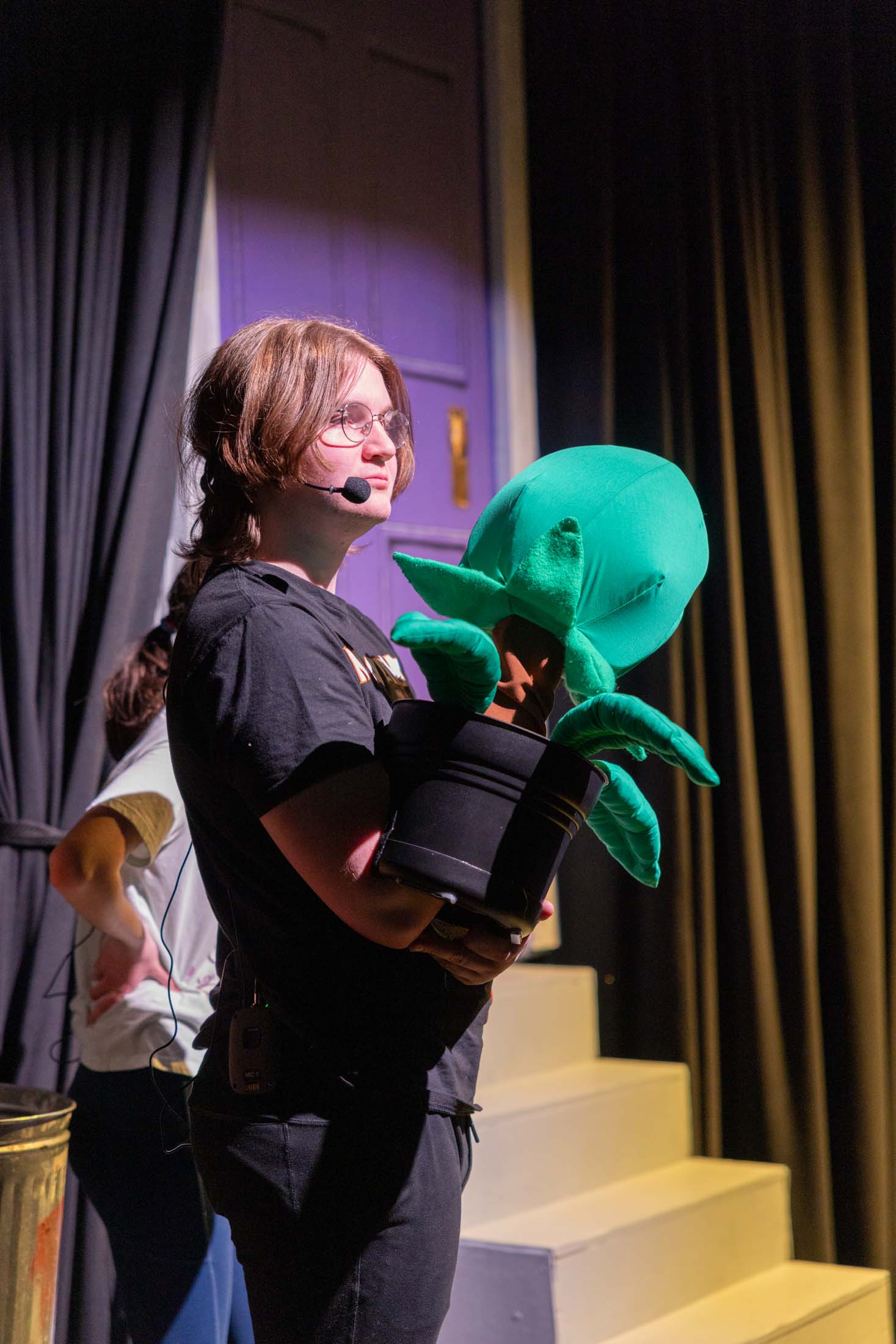 One of the foundational elements of a show like this is its set design and prop use. With much of the musical taking place between a flower shop, a dentist’s office, and Seymour’s apartment, the set needs to come alive as much as the characters themselves.
Calgary Academy art teacher and set designer for Little Shop of Horrors, Jamie Lafond, knew the production would hit the school’s Black Box Theatre after seeing the Broadway show on last year’s New York trip.
Mr. Lafond felt excited but a bit nervous due to the technical work needed for the set’s design. With an ever-growing plant on stage, he notes that the set needs to be impactful for the audience and easy to navigate for the cast and crew.
“I tried to design a functional set, but still visually engaging and streamlined. Make it simple, make it look good, and make it so that set changes happen quickly.”
Almost everything built for the show can be moved around on wheels to roll set pieces on and off stage as quickly as possible.
Another unique element of this production is its use of puppetry! Seymour’s plant, Audrey II, starts as a small coffee tin-sized sapling, but eventually, it grows bigger and bigger until it reaches its ultimate form, which Mr. Lafond says will “fill the set.”
Multiple puppets are required to match Audrey II’s appetite, and multimedia teacher Morgan Platts is responsible for them. The students playing Seymour use these hand puppets until the plant grows enough to stand on its own.
While Mr. Lafond worked on the larger Audrey IIs (which he has completely resurfaced and repainted), Ms. Platts built the smaller ones from scratch using foam and sewing the design together.
“I took on making the infant Audrey IIs. I was actually kind of sad to be finished. It was my first time making a functioning puppet, so it was a lot of fun.” – Ms. Platts
Little Shop of Horrors Debuts at CA on May 8
With little time left before Little Shop of Horrors hits the Black Box Theatre, the cast and crew are currently in the final stages of preparation—running full-length rehearsals, testing lights and sound, and putting the finishing touches on the set.
These weeks are when the final pieces of the show come together, but students and staff have been working together since September. Mr. Lafond notes how closely many of the Integrated Studies teachers have worked together, calling the play a “whole collaborative process” from start to finish.
“Ms. McLim, Ms. Page, and I have been hand-in-hand through the whole show since seeing it last year. We’ve had ongoing discussions since before it was even announced that this production would be done.” – Mr. Lafond
This collaborative journey is almost complete, with Little Shop of Horrors’ debut performance set for May 8. Ms. Platts hopes the audience sees the labour of love this production has become.
“It’s kind of cliche, but I hope the audience notices all the work and love that’s gone into this show. There are a lot of specific set pieces. There’s a lot of specific costuming, so I hope they can see all the little details that went into making this show… It’s really been a village coming together to do this.”
Psychologist’s Perspective: April 2025
Sunny skies and warmer weather ahead! I love the newness of spring. I find this time of year so motivating. What are your goals for the month ahead?
Our school’s theme for April has been RESPECT. As we know, respect is the R in REACH. What does respect look like at home, at school, and out in the world? How do we show respect to others and ourselves?
The respect lesson I created for high school students this month involved discussing some prompts with their peers. I encourage you to discuss these same prompts together as a family. This could make some great dinner conversation! (You may need to adjust the language with younger children.)
- Does someone need to earn your respect? If so, how?
- Does someone get your respect by showing respect to you first? Or does someone get your respect just for being human?
- If someone has lost your respect, can they get it back? How?
- “If someone shows you respect, you should show respect in return.” Do you agree? How do you feel if you treat someone with respect, and that person responds with rudeness? If someone insults you, should you insult that person in return?
- “You don’t have to respect everyone; you simply have to treat people with respect.” What’s the difference? Do you agree with this point of view? Explain.
- Do you think that people in our society are respectful enough of each other? Explain.
- How do you show respect to yourself? Does this involve setting boundaries and learning how to say no? Are the things you say to yourself respectful and kind?
- Have you ever felt disrespected by an adult? How did that feel? How did you respond?
- Does someone get your respect because of their intelligence? Do you give someone respect because they are smart?
- Is it about people being a certain age? Do you choose to respect someone because they’re older versus younger?
- What does respect have to do with the quality of your character?
Complete the Sentences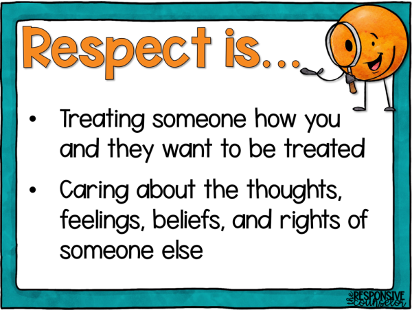
- My teacher respects me when they…
- I respect my teacher by…
- My peers respect me when…
- I show respect to my peers by…
- My parents show respect when they…
- I respect my parents by…
(Taken from The Responsive Counselor: Respect Lesson and Activities)
Wellness at Calgary Academy: Growing From the Inside Out
Grades K–9
At Calgary Academy, our approach to wellness is evolving through the continued integration of the MindUP program. While students continue to develop key social-emotional learning (SEL) competencies—such as self-awareness, self-management, and relationship skills—the focus is expanding beyond the self. This next phase encourages students to reflect on their sense of purpose and how they can contribute meaningfully to the world around them. The “Circle of Wellness” guides this journey through three interconnected rings: the self (at the centre), the classroom and school community, and the greater community.
By recognizing how their inner growth influences their actions in broader contexts, students are empowered to show up as their best selves. This is reflected in school-wide initiatives, cross-grade collaborations, acts of kindness, and community-focused projects—fostering a culture of empathy, purpose, and citizenship.
If you have questions about wellness programming in Grades K–9, please reach out to Dylan Dean.
Grades 10–12
This month, students in Grades 10–12 have been discussing the topic of Respect. I hope you enjoy working through the same lessons they did!
If you have questions about wellness programming in Grades 10–12, please contact me.
Counselling Services and Wraparound Support
We continue to have a counsellor supporting the needs of our learners in K–8. If you want to have your child connect with her, please reach out to Jenny Duffield.
I am here to support the needs of our Grades 9–12 students. If you want your child to connect with me, please reach out to my email.
Lastly, if you have any questions or concerns regarding your child’s learning journey, you can also reach out to our Director of Learning, Erin Ellis.
Serena Braun
Registered Psychologist
ITS Brazil: New Country, New Experiences
With pristine white beaches, clear blue water, and snaking rivers in the Amazon, Brazil is much more than its iconic rainforest. It’s a country with a rich history, varying landscapes, and a mixture of cultures.
Calgary Academy’s International Travel Studies (ITS) club recently journeyed to the country for the first time in its 20-year history. While this year’s trips had several unforgettable moments, the true value of ITS comes from the lessons learned along the way.
From Rio to the Amazon
This year, ITS travelled through Brazil in two groups by plane, boat, and bus, stopping in São Paulo, Rio de Janeiro, and a lodge in the Amazon Rainforest—approximately 170 km from the nearest city, Manaus.
 Exploring the coastal region of Brazil featured a deep dive into Brazil’s food culture, architecture, and local history in Rio, such as visiting Sugarloaf Mountain and one of the Seven Wonders of the World, Christ the Redeemer. The students also enjoyed a visit to Búzios, a trip highlight for many of the travellers.
In the Amazon near Manaus, students and staff learned about the Indigenous peoples of Brazil, experienced the fauna and flora of the rainforest and completed the main goal of the trip: a multi-day altruistic project to support the local community.
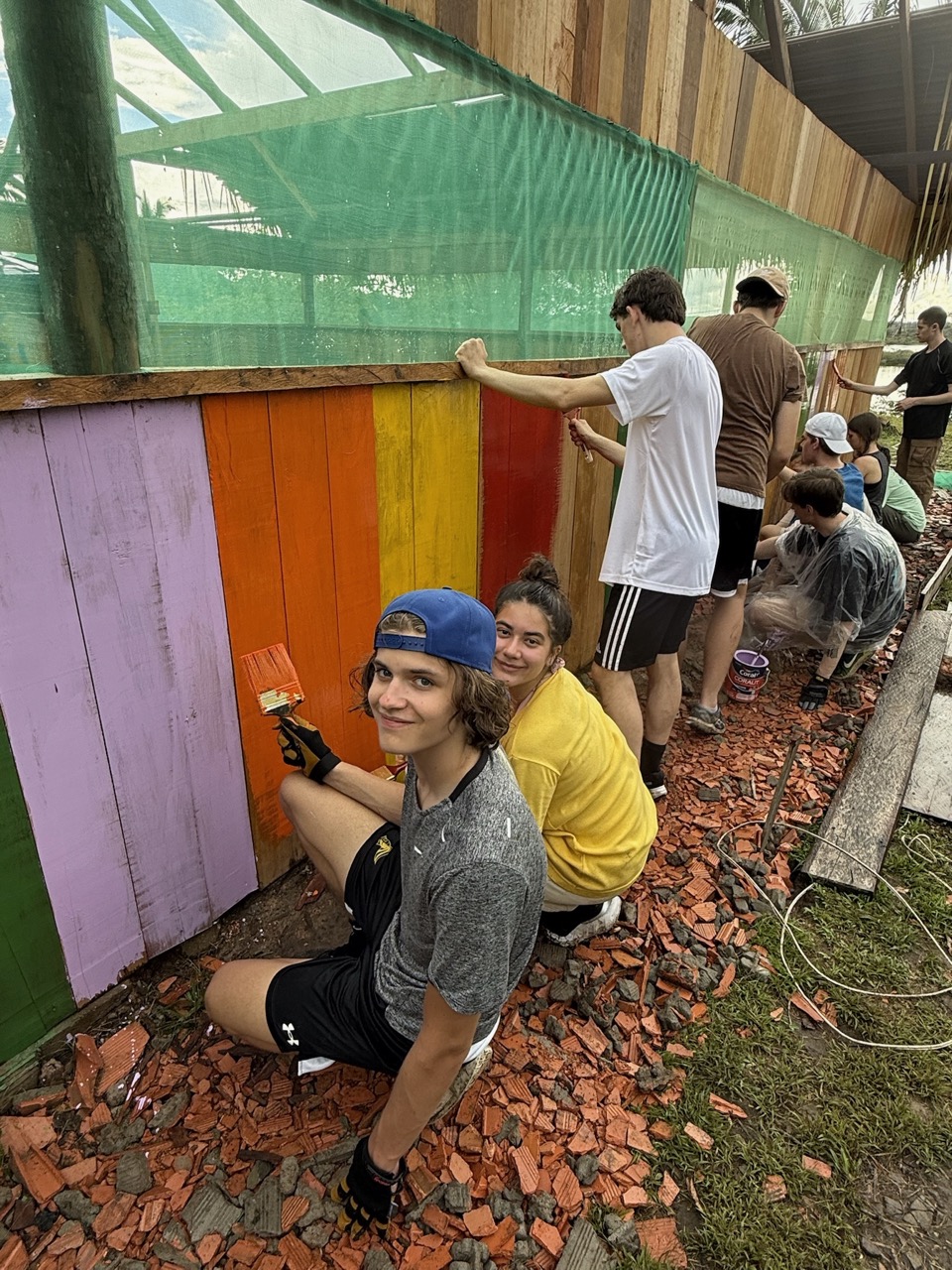
The students assisted in building a community centre for those living along the Amazon River, handing supplies to lodge workers, installing a bug screen for the building’s windows, and painting the structure’s base.
After the project was completed, the local community was invited to the project site to celebrate, spend time with the students, and receive donated goods from ITS, including soccer balls and jerseys, school supplies, and small toys.
For students like Myles H., the highlight of the 12-day trip was seeing the smiling faces of the local children and spending a day playing soccer and volleyball.
“Helping out the children was definitely the best part. Giving them school supplies and spending a day with them was great.” – Myles H.
Resiliency and Identity
While breathtaking views and exotic locations are certainly a selling point of ITS, many students arrive home having learned something new about themselves.
Travel can be smooth sailing or choppy waters—flight delays, poor weather, or illness can happen even when everyone feels prepared. However, embracing the natural nerves and anxiety that come with travel can help students step out of their comfort zones and grow as individuals.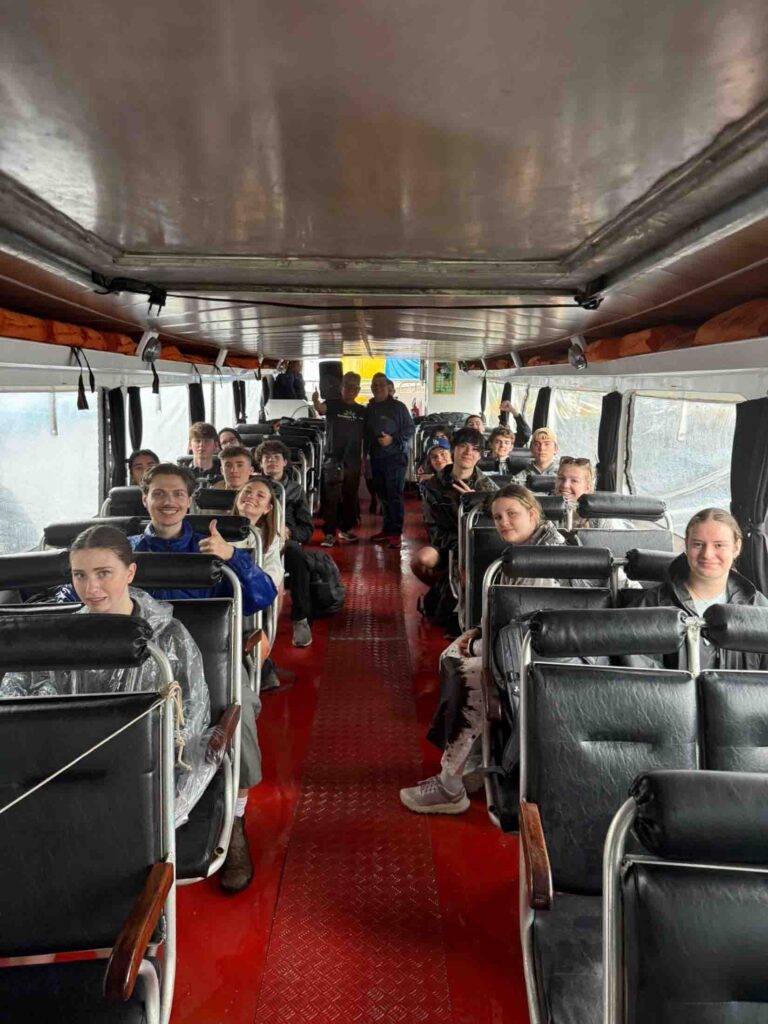
Senior School teacher and one of this year’s trip leads, Roberta Rudin, says that her favourite part of ITS is seeing the students embrace new, sometimes uncomfortable experiences, whatever that may be for them.
“My favourite thing about ITS is seeing students step out of their comfort zones and try many things they believe they can’t or don’t want to do. Whether that be different foods, activities, or altruistic events… While on these trips, students try, and if they are unsuccessful, they try again.”
These experiences can give students a new appreciation for life at home. Myles remembers joining ITS for the first time this school year after being encouraged by his parents. Having never left the continent, he saw the trip as a chance to see a new part of the world with his friends.
Now back in Canada, he looks forward to signing up for next year’s trip, no matter where it takes him.
“I don’t even care where ITS goes or who goes on the trip. I just want to go again because it was a really cool and fun experience.”
Ecuador, Tanzania, and now Brazil—ITS has travelled to over 10 countries across the globe for 20 years. While each year’s trip is different, the students make many memories they can fondly reflect on. Ms. Rudin notes that the bonds students make with each other throughout the trips are exceptional.
“What the community doesn’t see are the strong bonds that the group creates within themselves and the amazing empathy, sharing, support of each other, and personal growth that happens. I am so proud of our group this year because of our bond—it made my job easy and enjoyable.” – Ms. Rudin
With the 2026 destinations for ITS being announced next month, learn more about how ITS helps make a local and global impact.
Dual Credit: A Head Start on the Future
It can be challenging to choose a career when you can’t experience it firsthand. Thankfully, Calgary Academy offers a way for students to get a taste of what universities and colleges offer through the dual credit program!
For Senior School students like Evan S. (currently in a pre-employment welding program), dual credit can help prepare them for the future workforce by allowing them to take college and university courses while still in high school.
What is Dual Credit?
For Senior School students, dual credit offers an exciting opportunity to experience post-secondary education before graduation. This program allows students in Grades 10–12 to take college-level courses while still in high school, earning both high school and post-secondary credits.
From health sciences and business to skilled trades and technology, dual credit provides hands-on learning, letting students explore their career interests. Whether learners are interested in medicine, aviation, IT, or welding, they can gain real-world experience, build confidence, and see what their future may hold.
Calgary Academy Career Counsellor Jessie Holwell understands the value of allowing students to explore their interests. For some industries, such as skilled trades, dual credit can help students enter the workforce sooner.
“If a student completes their pre-employment certificate in high school, they can enter the workforce and start counting their apprenticeship hours right after graduation, as opposed to having to do that the year after.” – Ms. Holwell
However, dual credit may not be available for everyone—there are general requirements for students joining the program, including:
- Requiring the average grade point average (GPA) or course requirements for the specific program a student is interested in.
- Receiving permission from the student’s parents to join the dual credit program.
- Being prepared for the expectations of post-secondary courses.
A Day in the Dual Credit Program
For students like Evan, dual credit isn’t just about earning extra credits—it’s about taking tangible steps toward their future careers. He has always been interested in the trades, advocating for a spot in the pre-employment welding program.
Evan’s (along with two other CA students’) school day starts early, at 8:30 a.m., at the SAIT campus. There, they spend three hours in theory and hands-on learning in their chosen trade.
By the afternoon, they’re back at Calgary Academy to complete their high school courses. While the schedule is demanding, the students are dedicated, work hard, and are passionate about their interests.
Evan notes how he has enjoyed building on the theory learned in his classes and seeing his improvements. He plans to continue his education at SAIT and recommends dual credit for anyone interested in the trades.
“It’s cool to watch yourself progress from the beginning… I was shocked that there was an opportunity to do this. If you like hands-on work, I definitely recommend it.” – Evan S.
So far, Evan has tackled coursework in tools and equipment, wire-feed welding, gases and maintenance, and apprenticeship safety—gaining skills that will serve him well.
For students wondering if dual credit is the right fit, the best first step is a conversation with their career counsellor, a teacher, or even a student already in the program. Ms. Holwell notes that dual credit is the perfect opportunity to try something new and see if a career is a good fit.
“My advice is to talk to me! But in a broader picture, jump in. You’re not going to know if you don’t try something… There’s no better way to see if a career is a good match for you than trying it out.”
Calgary Academy’s Career Day Brings Community to the Classroom
What do you want to be when you grow up? It’s a question students often hear—and one that can be difficult to answer. However, Calgary Academy’s Senior School students recently had the opportunity to explore real answers.
On March 14, Calgary Academy’s hallways were filled with students hopping between informative sessions during its second annual Career Day. This event brought together industry professionals—many of whom were alumni, parents, and staff—to share their expertise with students.
Career planning wasn’t the goal of the day—it was about inspiration, exploration, and realizing that the future holds endless possibilities.
A Look into the (Possible) Future
Senior School students participated in four presentations, with each learner signing up for the sessions that interested them the most. They had a wealth of industries to choose from, including oil and gas, law, healthcare, engineering, video game design, drone technology, and more. 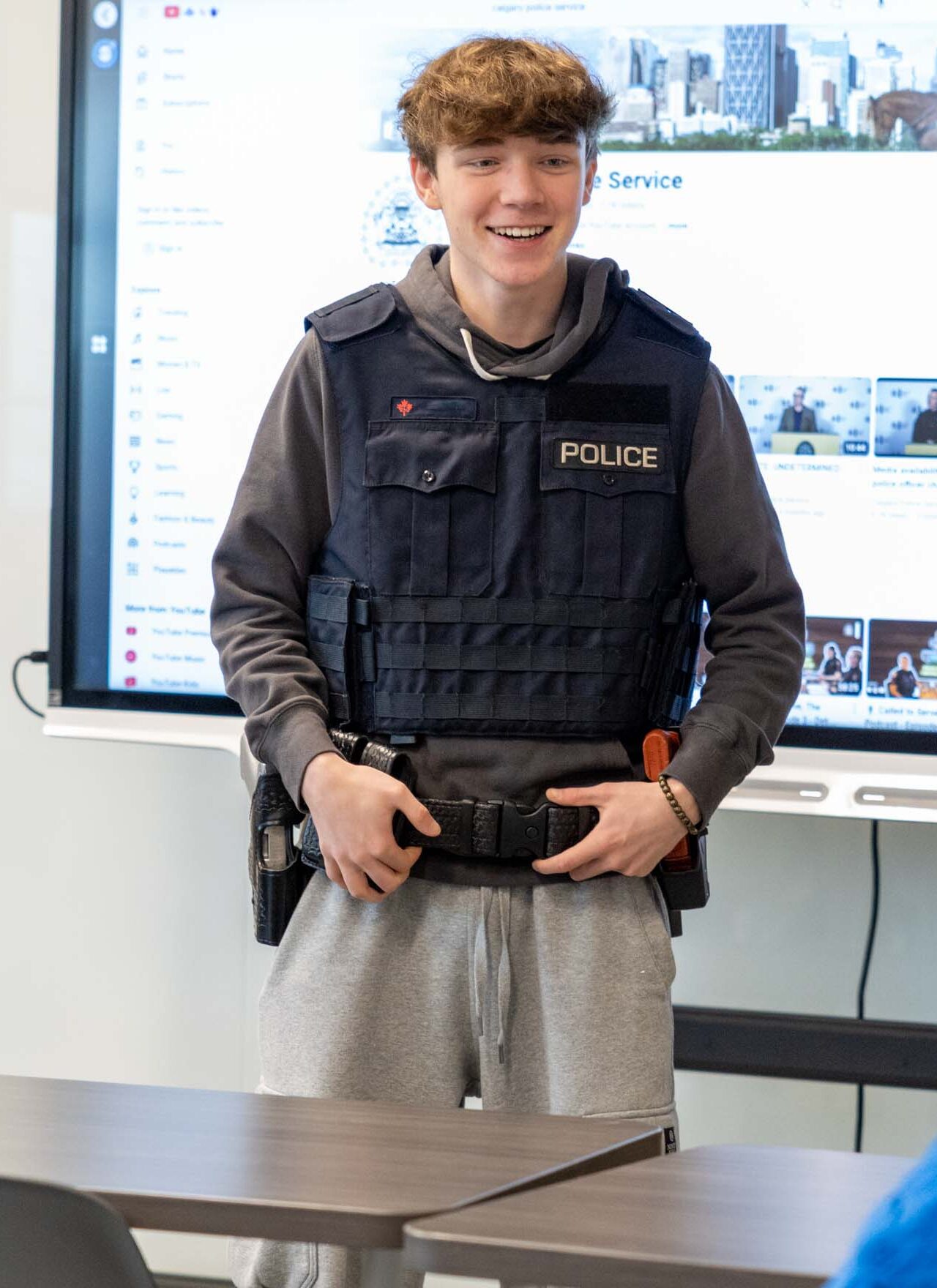
The presenting group included staff, parents, community members, and alumni who took time to speak with students. One alum, a software engineer, Maya Miller (12), was excited to see her old school and share her experiences.
“I barely recognize the school, but it’s amazing being here. I can imagine what the students are feeling. I know that when I graduated, I thought I knew what I wanted. It’s just wild to be here and teach them something.”
Before students headed for their presentations, the day began with a keynote speaker, David Easton. His words reminded students that success isn’t just about following a predetermined path—it’s about understanding their strengths, recognizing how they can contribute to the world, and embracing opportunities with a mindset of possibility and growth.
“Everything is about to change for you,” he told students. “There are so many choices. As you work through what comes next, remember these three things: Who you are, how you can be useful, and use an abundance mindset to get what you want.”
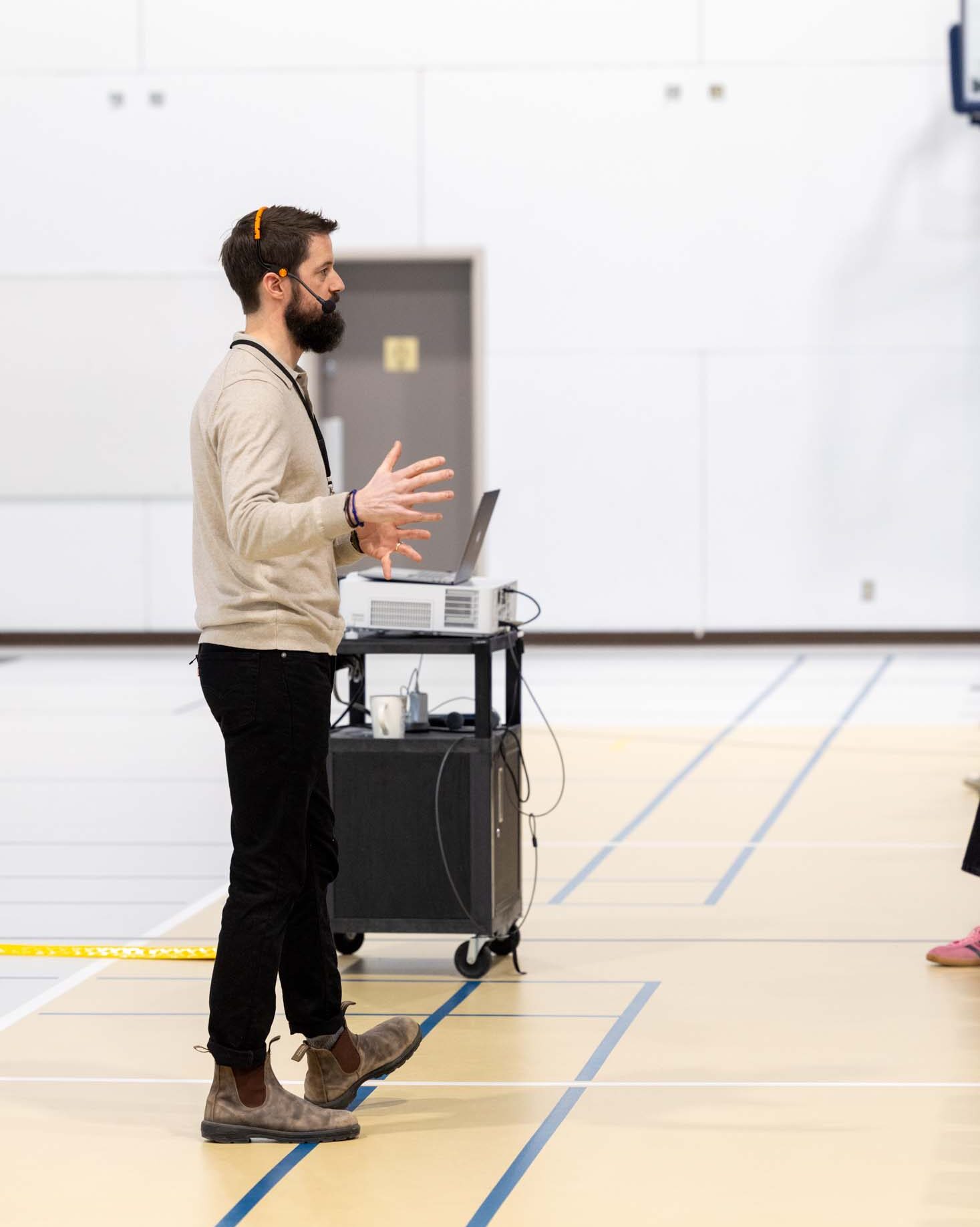 Afterwards, students attended 40-minute information sessions, shuffling between the 30 rooms used for speakers throughout Senior School. Following a morning of presentations, students and presenters were treated to a BBQ lunch before leaving for the weekend.
After a whirlwind day, Sarah Hoag, Director of Stakeholder Engagement and organizer of this year’s Career Day, is grateful for the school community’s support.
“Thirty inspiring speakers, including alumni, parents, staff, and community members, shared their passion and career journeys with Senior School students. Their time and insights were invaluable in helping our students explore their paths toward purpose and passion, and we are thankful they could make a difference today.”
While the future can be difficult, events like Career Day help show students what the future can hold. As Senior School students continue to work with their academic advisors, they may see a new opportunity after graduation.
Psychologist’s Perspective: March 2025
It seems as though spring may be on its way! I am looking forward to it, and I am sure you are as well.
This month, our school’s theme has been Honesty. As we know, Honesty is the H in REACH. Though a simple concept, it is not always easy to practice complete honesty. Telling the truth can be hard, especially when telling the truth comes with possible consequences.
As parents, what can we do to encourage honesty and integrity in our children? Here are a few thoughts:
- No matter what the age of your child is, work to create a safe space at home, one in which your child feels they can express their thoughts and opinions without judgement or criticism. Parenting can be hard and frustrating, but remember that you are the adult in the room! Unlike our children’s brains, our frontal lobes are fully developed, so we must do what we can to maintain our own emotional control. That may mean taking a break from a conversation and stepping away until you are able to communicate in a healthy manner. Let your children know you are doing this and explain why. What great modeling!
- Practice having open conversations and avoid the temptation to lecture or raise your voice.
- Affirm and validate your child’s feelings without stepping in to fix or solve their problems. Communicate your belief in their ability to problem solve and think critically.
- Allow your child the freedom to disagree or ask questions about things, respectfully, of course.
- Model honesty in the home. Talk about occasions when you were not honest and share the consequences of that decision. Talk about integrity, what that means, and why it is important.
- At an age-appropriate level, talk about the reasons people may not be honest. Discuss things such as self-protection, avoiding conflict or punishment, or maintaining a positive image.
- When reading a book or watching a show together, point out instances where the characters demonstrate honesty and integrity. Highlight the positive consequences of their choices. Conversely, discuss characters who show a lack of integrity. Are they likeable? What consequences did they suffer because of their dishonesty?
- Create integrity/honesty scenarios and discuss what you would each do in those situations. I created a number of scenarios for the Honesty themed wellness lessons in Grades 10–12. Teachers shared some of the students’ responses which showed that many students choose to lie, especially in situations that involve their peers. Here are two scenarios that were presented to students.
- You love hanging around with your one friend because they are hilarious, and everyone likes them. Lately, however, their humour has been very mean-spirited. They are making fun of others, especially those who seem alone and without many friends. What do you do? Why?
- You get called to the office and asked about some damage that was done to the bathroom. You know exactly who did it. It is one of the most popular kids in your grade.
What do you do? Why?
- Model taking responsibility for your actions. Apologize to others, including your child, when you have messed up. Encourage your child to do the same.
- Practice self-care as a parent, too! You can’t pour from an empty cup.
Wellness Updates
Grades K–9
This month, K–9 classrooms kicked off with a focus on Social Emotional Learning (SEL) Week, an international initiative highlighting the five core SEL competencies: Self-awareness, Self-management, Social Awareness, Relationship Skills, and Responsible Decision-Making. Throughout the week, students participated in engaging MindUp activities designed to deepen their understanding of these competencies, helping them develop the skills to better manage emotional stress, navigate challenges, and make healthier, more thoughtful decisions. By encouraging students to reflect on their emotions, relationships, and decision-making, these activities contribute to stronger mental well-being and improved outcomes both in and outside the classroom.
As we move forward into the month, the focus continues with MindUp lessons that emphasize outdoor learning and reflection on our role within the community. Students are invited to consider how they can contribute to making their community a better place while also enjoying the positive impact of time spent outside.
Wishing everyone a safe, restful, and family-filled break full of relaxation and quality time with loved ones.
If you have questions about wellness programming in Grades K–9, please reach out to Dylan Dean.
Grades 10–12
This month, students in Grades 10–12 have been discussing this very topic. One of the activities they completed was a questionnaire called “How honest Are You?” Check it out here. It could make for an interesting dinner conversation!
If you have questions about wellness programming in Grades 10–12, please contact me.
Counselling Services and Wraparound Support
We continue to have a counsellor supporting the needs of our learners in K–8. If you want to have your child connect with her, please reach out to Jenny Duffield.
I am here to support the needs of our Grades 9–12 students. If you want your child to connect with me, please reach out to my email.
Lastly, if you have any questions or concerns regarding your child’s learning journey, you can also reach out to our Director of Learning, Erin Ellis.
Serena Braun
Registered Psychologist
Congratulations to Our February 2025 Exemplary Practice & Student Showcase Recipients
February is a time for award recognition for Calgary Academy’s outstanding staff and students. The Exemplary Practice and Student Showcase awards help highlight exceptional members of the CA community.
These awards recognize the contributions of staff and students who demonstrate excellence, leadership, and innovation, ultimately supporting our school.
This year’s February awards feature four winners:
- Ms. Karla Powell
- Soren O., Alex M., and Evan S.
Karla Powell
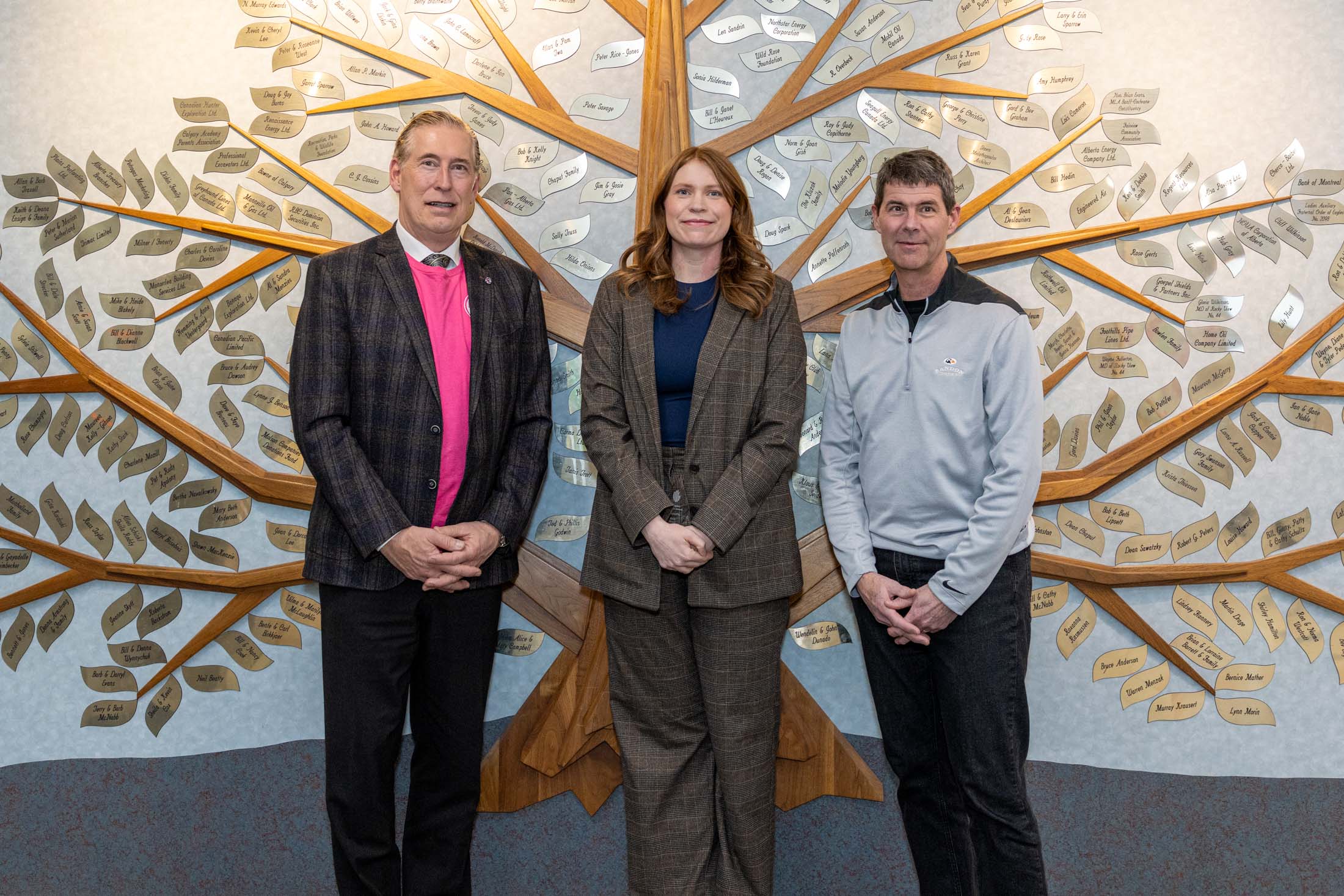
Ms. Karla Powell is the recipient of the Board’s Exemplary Practice Award for February 2025. Her colleagues describe her as an exceptional teacher and leader who can bring people together through innovative practice and inclusivity.
Ms. Powell joined the CA teaching community in 2022. She graduated from the University of Lethbridge and earned a Master of Education in Interdisciplinary Studies from the University of Calgary. Teaching Grade 5, Ms. Powell exemplifies the REACH principles in all ways. She is deeply committed to building community, inspiring pride, and creating meaningful opportunities for connection (both in and outside the classroom).
A recent standout project led by Ms. Powell showcases this. The Wetlands Puppet showcase explored ecological systems while developing communication, problem-solving and teamwork skills, culminating in a puppet show performance for parents and stakeholders.
Ms. Powell’s practice is rooted in inclusion, and she is a lifelong learner whose positive impact on CA is apparent daily.
Congratulations, Ms. Powell!
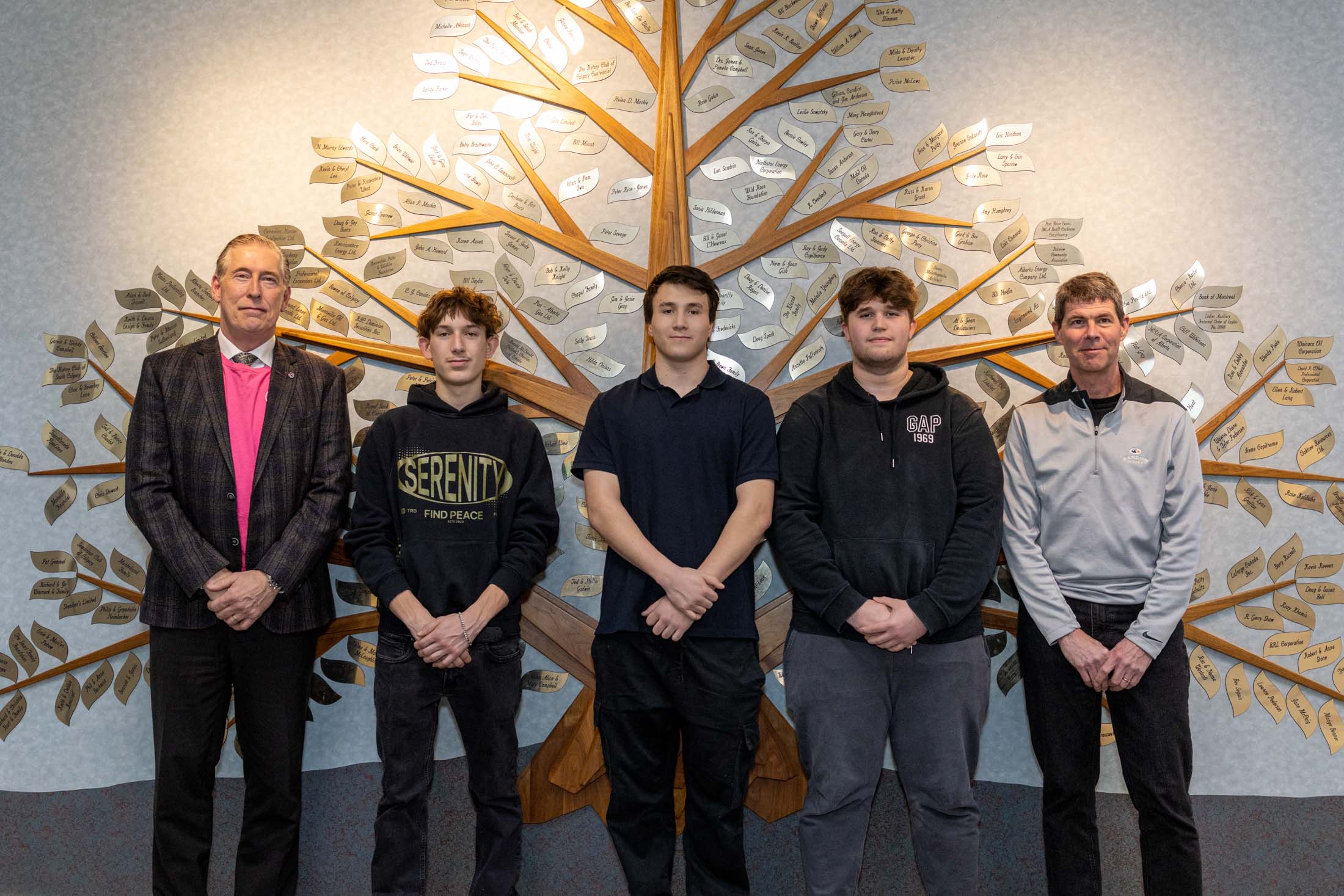
Soren O., Alex M., and Evan S.
The recipients of the Board’s Student Showcase Award for February 2025 are Calgary Academy’s three full-time dual credit students: Soren O., Alex M., and Evan S. Their dedication to their trades—welding and carpentry—is not only setting them up for future success but also highlights their commitment to personal growth and skill development.
Dual credit allows high school students to take college-level courses, earning both high school and post-secondary credits simultaneously. All three students are completing a pre-employment certificate: Alex and Soren are in carpentry, and Evan is in welding.
These three students start their school day at 8:30 a.m. at the SAIT campus, where they complete three hours of class for their designated trades. This includes coursework in theory and hands-on learning.
They return to Calgary Academy for the afternoon to complete the high school courses they need to graduate. The level of commitment this requires from all three students is admirable and is a testament to their passion and enthusiasm for their chosen fields.
Evan has mentioned his interest in skilled trades since his first career and academic planning meeting in Grade 10 and advocated for the pre-employment welding program last year.
Alex and Soren are completing the Pre-Employment Carpentry Certificate, which is equally impressive. The skills they are learning—from blueprint reading, sketching, and drawing to working with hand, stationary, and portable tools—will provide them with a strong foundation for their careers in the skilled trades.
Earning these certificates before graduation is an incredible achievement for all three students. It demonstrates their technical abilities, discipline, time management, and dedication to preparing for their future careers.
Congratulations, Soren, Alex, and Evan!
Pop Culture, Reflection, and Barbie in the Classroom
What started as a summer blockbuster quickly became a cultural moment. Barbie wasn’t just a movie (though it did make over 1.4 billion dollars at the box office)—it reflected the pressures, stereotypes, and aspirations that shape us all.
Summer 2023 belonged to Barbie, but the movie’s lessons are still as relevant as ever. Grade 8 teachers Jill Engler and Shira Meyers‘ students are analyzing the movie, focusing on identity, writing and editing, and emotional vulnerability.
A Lesson in Understanding
For many people, America Ferrera’s speech in Barbie is the highlight of the movie—an emotional moment in which her character, Gloria, vents her frustrations about the struggles of womanhood.
It’s a profound moment in the film and an excellent teaching opportunity.
Over the past weeks, Ms. Engler and Meyers’ students (three classes in total) have been building Barbie-inspired personal responses. Ms. Engler’s previous Grade 8 class had watched the movie last school year to create speeches, but working with other teachers in the grade, she wanted to add more depth.
After viewing the movie, students identified biases and stereotypes present throughout and analyzed how the movie compared to real life. Then, they analyzed articles on the Barbie movie and its cultural impact to consider what the doll (or similar toys) means to them.
“This project has become a combined effort of what Ms. Helman and I came up with last year and how Ms. Meyers has added her depth and emotional lens this year.” – Ms. Engler
The unit concluded with each student handing in a personal reflection based on their lived experiences, crafting their learnings into a speech, poem, rant, or other medium they felt inspired to use.
Ms. Engler notes how beneficial this process has been for students, both emotionally and academically. The film analysis and critical reflection have supported the students’ work in language arts and their future studies in Grade 9 when Provincial Achievement Tests occur.
“The specific outcomes we’re hitting with the Barbie movie is building up respect and empathy for diverse groups and cultures and being able to respond with respect and dignity to those groups. Additionally, the outcome is being able to write personal responses, which will become a huge part of the students’ future exams.”
Pop Culture in the Classroom
Ms. Engler first identified Barbie as a learning tool when she and other teachers reflected on how impactful the movie was for them. They had seen themselves reflected in the film’s themes and saw the benefits it could have in the classroom.
Pop culture can be one of the best ways to tie education to relevant examples. Students may more easily connect with a recently seen movie than with a novel or paper.
In Ms. Engler’s words, “when you can spark that dopamine, you can make learning interesting and highly engaging.”
“Many of my male students have said, ‘I never played with Barbies,’ and I ask, ‘what was your toy as a kid?’ We all had something we were supposed to model ourselves after and aspire to be. When there’s that common experience—because, unfortunately, sexism and stereotypes apply to everyone, it’s something we can all relate to.” – Ms. Engler
Growing up is challenging, whether in elementary, middle, or high school. Between the stresses of daily life, bottling up negative emotions, experiences, and memories can feel like the right thing to do, but they continue to impact children. When students can be vulnerable, they can “share a side of themselves that gets overlooked.”
As the Barbie unit concludes with personal responses from the classes being handed in, Ms. Engler looks forward to seeing what her students discuss in their reflections.
Regardless of what students write, she hopes they understand themselves more. Acknowledging their unique challenges enables them to reflect. It empowers students to advocate for others, fostering a supportive and understanding community.
“I am excited to see how they have taken this project to heart. When there is no structure or framework to follow, I’m excited to see where the inspiration takes them in their writing… If they’re more at peace with themselves, that will be a good end product for me.
Psychologist’s Perspective: February 2025
This month, we welcome Erin Ellis, Director of Learning, to discuss our month’s theme of diversity.
At Calgary Academy, we are proud to embrace REACH (respect, enthusiasm, altruism, commitment, and honesty) as a value system that anchors our community in continuous social-emotional learning (SEL). Diversity, equity, and inclusion are at the heart of this approach, working together as intertwined principles that guide us in fostering a supportive learning environment for all.
When I was asked to write this month’s submission focused on diversity, I began wandering the halls looking for evidence of learning and immediately noticed how the mantra “We are All Knights” prioritizes a sense of belonging, wellness and relationship building (the core of our learning model) into our community. The following list is just a few of the highlights:
- Student work honouring Black History Month.
- Pink Shirt Day at the Saddledome.
- Images and key understandings focused on brain development decorate the walls.
- Calgary Academy’s house system builds positive school culture—a poster on the wall states that 87% of neurodiverse students in schools with house system report feeling more included and connected to their peers.
- Lunch hour clubs offered on the senior side like Tabletop Games Club, QSA, Grad Committee, CASTLE, yearbook, and International Travel Studies (ITS).
When SEL is used to embrace diversity, promote equity and honour inclusion, it becomes a powerful tool for creating meaningful and lasting change. Some ideas steer this work in school but can also serve as discussion points within your home:
- Building Partnerships: True equity in education is achieved when students, families, and communities are engaged as authentic partners. We must continue working together to support our children’s social and emotional development.
- Relevance for All: SEL ensures that everyone’s diversity and dignity are affirmed and valued.
- Individual Voice: SEL provides students with the opportunity to express their thoughts, ideas, and concerns, promoting agency and civic engagement while empowering them to lead positive change.
- Systemic Improvement: SEL serves as a pathway for systemic change by fostering inclusive practices that can be implemented throughout our school and into the greater community.
Wellness Updates
Grades K–9
This month in MindUp, our students have been diving deep into lessons on perspective-taking and empathy, learning how these essential skills help us build strong, positive relationships with others. Some classrooms have also begun exploring the fascinating neuroscience behind optimism, specifically how rephrasing negative self-talk into more positive, growth-oriented language can create new neural pathways in the brain.
This practice is not only an excellent tool for emotional resilience, but it helps students recognize their power in shaping their mindset, even when faced with challenges—such as the cold weather we’ve been battling! Through this, we emphasize that our brains are capable of change and growth with consistent effort and that small shifts in our thinking can lead to big changes in how we feel.
Looking ahead, we’re gearing up to celebrate SEL Week from March 3–7. Throughout the week, students will engage in deeper explorations of the five competencies of social-emotional learning (self-awareness, self-management, social awareness, relationship skills, and responsible decision-making). These competencies are the foundation of our SEL programming and are central to our school culture, supporting the REACH principles that guide our daily interactions.
If you have questions about wellness programming in Grades K–9, please reach out to Dylan Dean.
Grades 10–12
This month, students in Grades 10–12 discussed perspective-taking during their LYF block. This is such a rich topic of discussion as our teens are constantly bombarded by the algorithms of social media.
If you have questions about wellness programming in Grades 10–12, please contact me.
Counselling Services and Wraparound Support
We continue to have a counsellor supporting the needs of our learners in K–8. If you want to have your child connect with her, please reach out to Jenny Duffield.
I am here to support the needs of our Grades 9–12 students. If you want your child to connect with me, please reach out to my email
Lastly, if you have any questions or concerns regarding your child’s learning journey, you can also reach out to our Director of Learning, Erin Ellis.